
Topic guide
Getting started with crypto cards
Learn what crypto payment cards are, how safe they may be, how to apply, identity-check requirements, and how they differ from bank cards.
7 published articles
- What is a crypto card?
- Card safety
- How to apply
- Identity checks
Latest publication
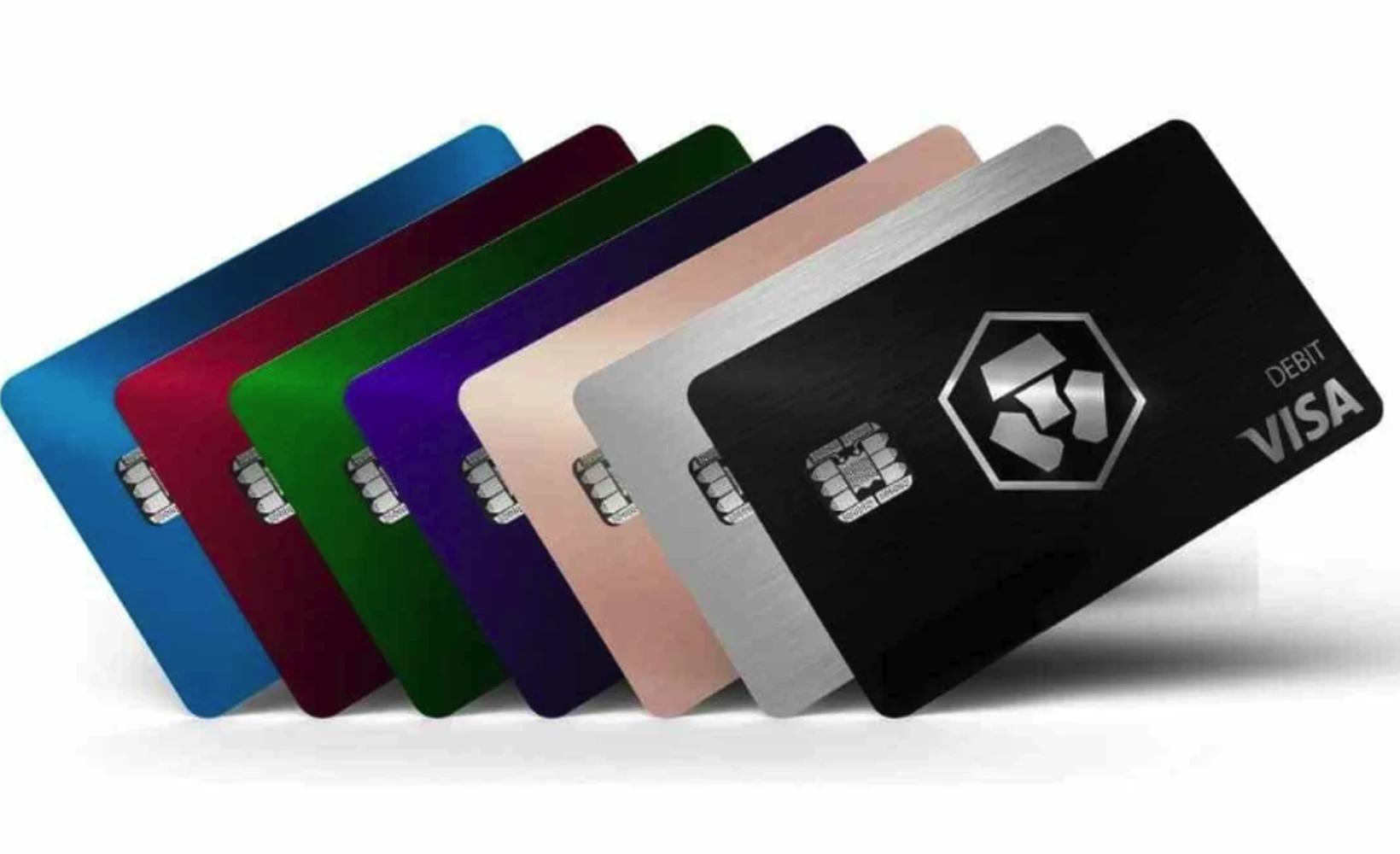
What Is a U Card? The Differences Between Crypto Payment Cards, Stablecoin Cards, and Virtual Cards
“U Card” is a general term used in the Chinese market to refer to crypto payment cards, stablecoin cards, and virtual cards, although these three concepts are not the same. This article explains in detail the definitions, differences, funding models, fees, and key selection criteria of U Cards, crypto payment cards, stablecoin cards, and virtual cards, helping users understand the underlying mechanisms and avoid being misled by marketing terminology.
More articles
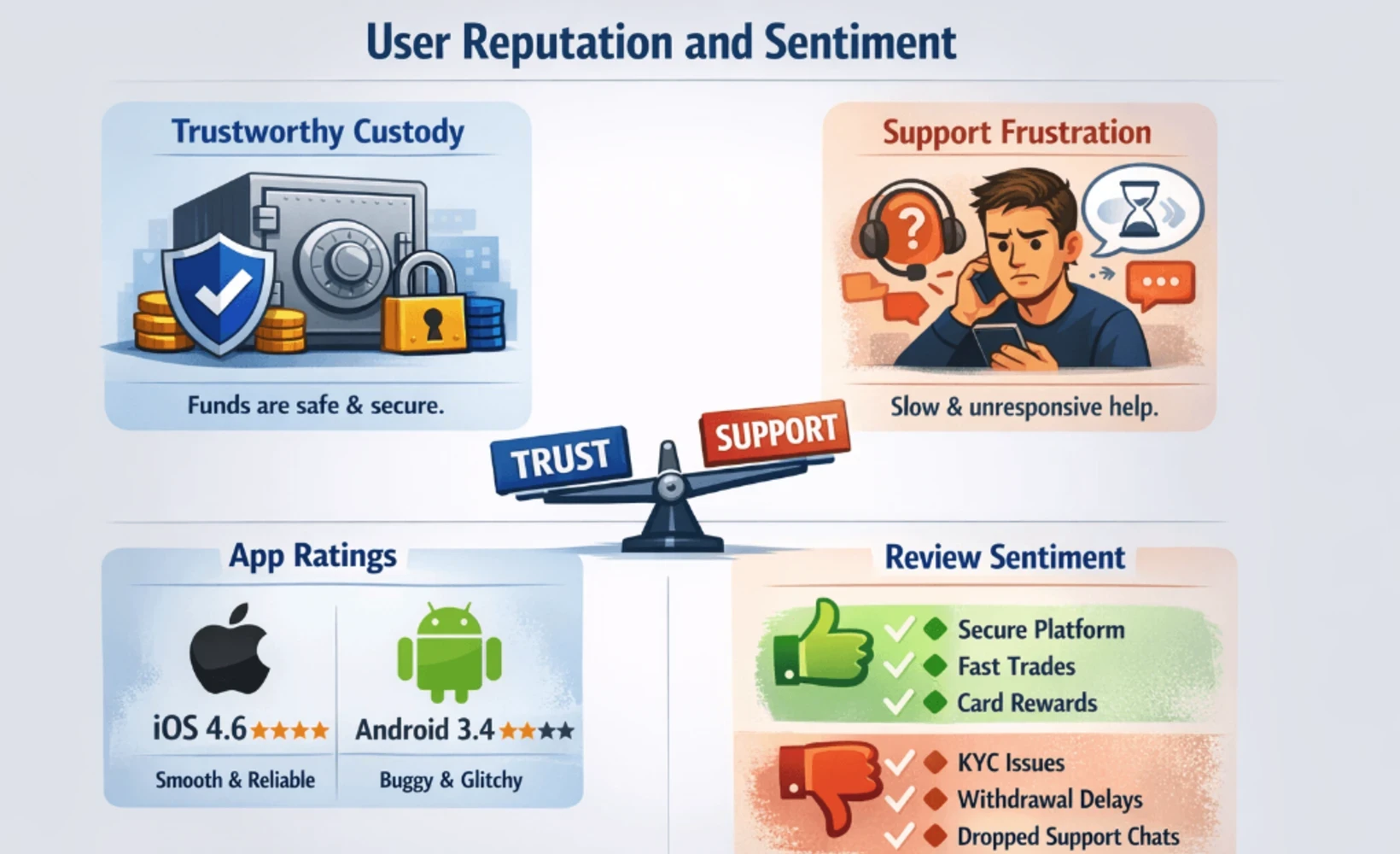
Is a U Card Safe? An Analysis of Fund, Platform, Issuer, and Privacy Risks
Is a U Card safe? This article analyzes U card risks from four dimensions—funds, platform, issuer, and privacy. It explains that U cards are not standardized products and that users should pay attention to fund custody, issuing institutions, compliance, and data security. It recommends top-ups only as needed, small test transactions, and keeping evidence.
How to Apply for a U Card? Complete Registration, KYC, Card Application and Activation Process
This article explains the complete U Card application process, including registration, KYC verification, card application, activation, funding and common issues, helping users complete their application safely and efficiently.
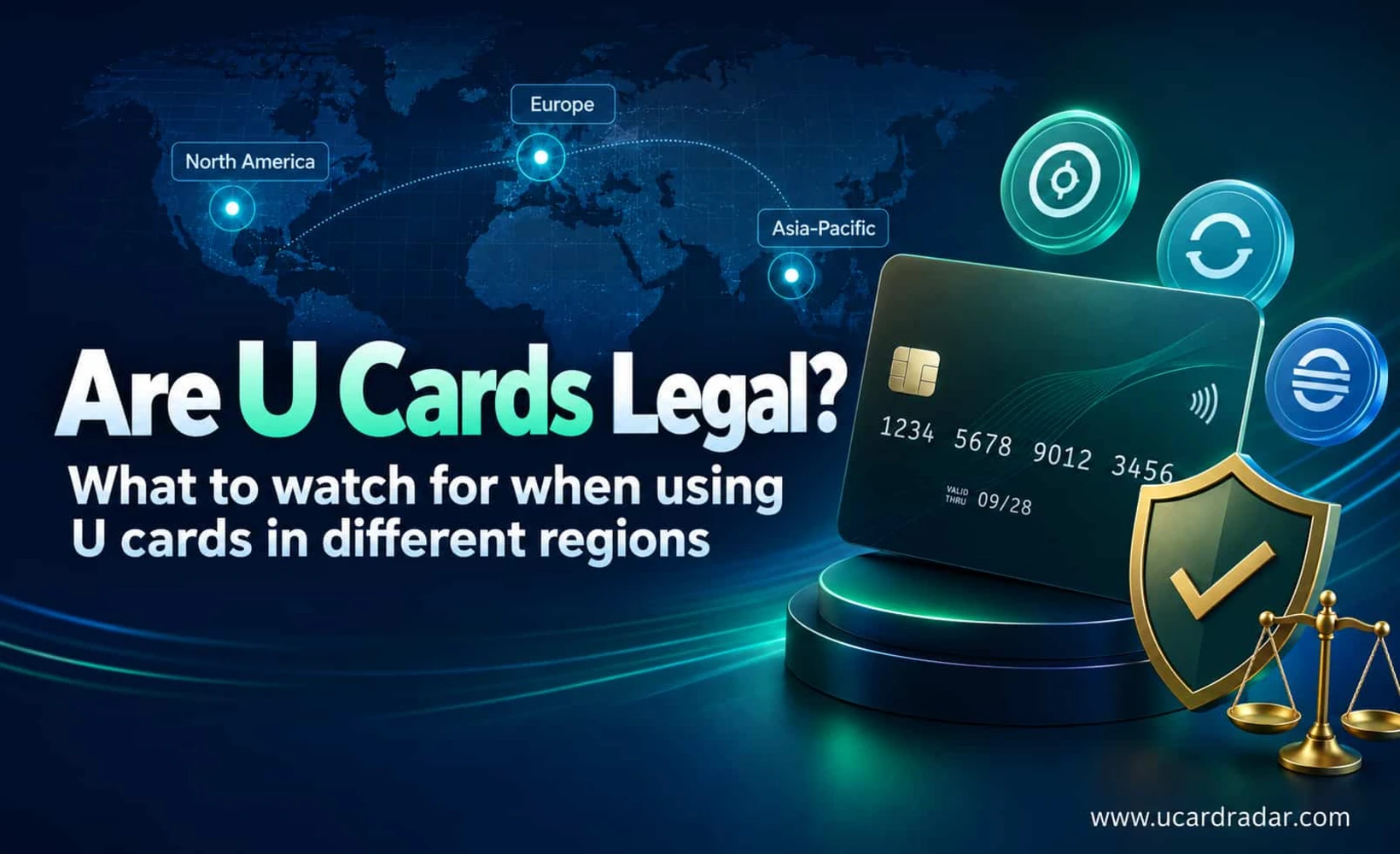
Are U Cards Legal? What to Know When Using a U Card in Different Regions
The legality of U cards varies by region. Users should verify platform qualifications, the card issuer, source of funds, and tax obligations. Mainland China prohibits virtual-currency-related business, Hong Kong uses a licensing regime, the EU applies MiCA alongside payment licensing, and the UK, US, Singapore, and Australia each have their own rules. Before applying, users should confirm the operating entity, licenses, regional restrictions, conversion mechanism, and tax or custody arrangements, and keep complete transaction records.
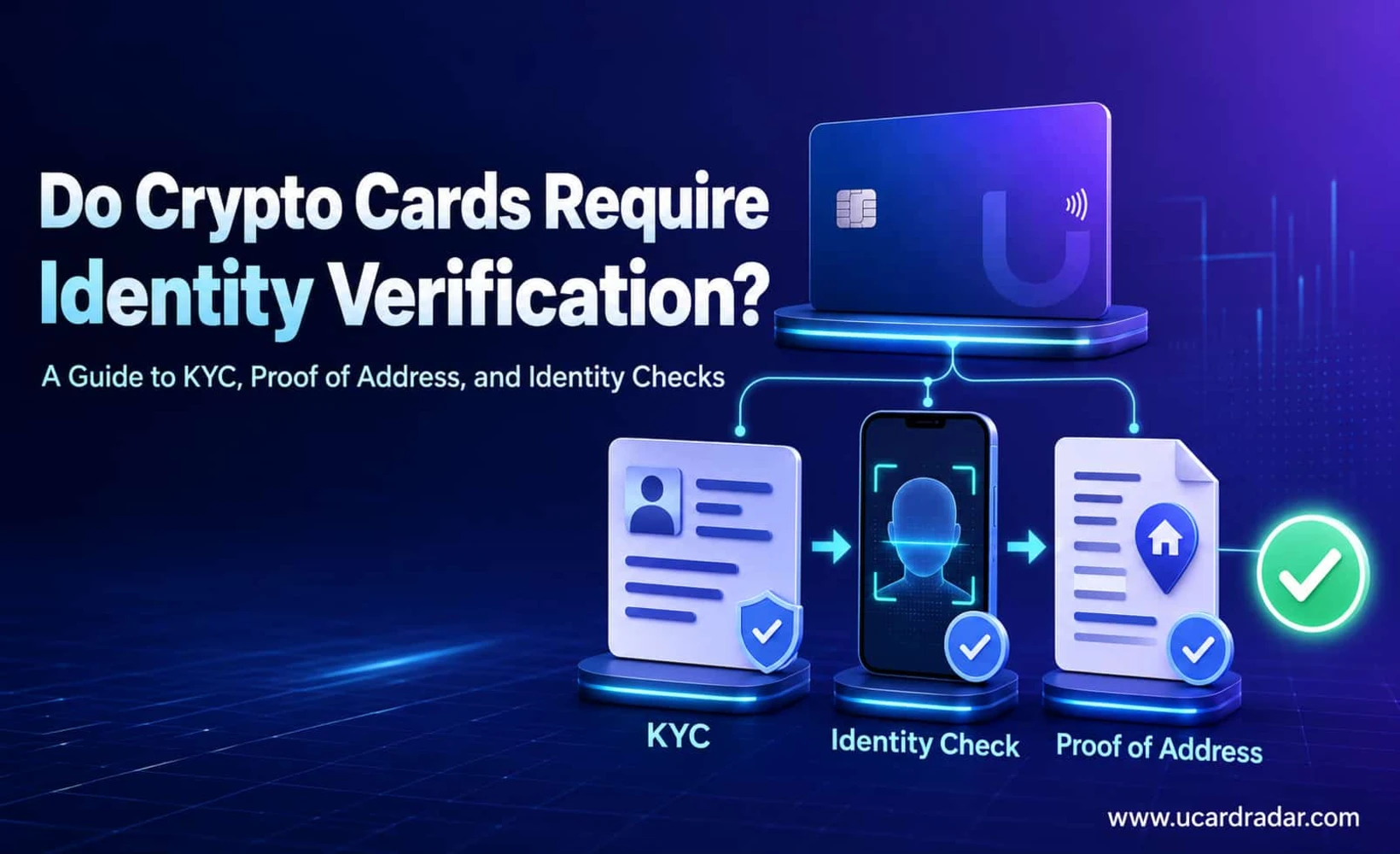
Do U Cards Require Identity Verification? A Guide to KYC, Proof of Address, and Identity Checks
U Cards generally require identity verification, including KYC, proof of address, and identity checks. This guide explains the U Card KYC process, required documents, common reasons for failure, and key precautions to help users stay compliant.
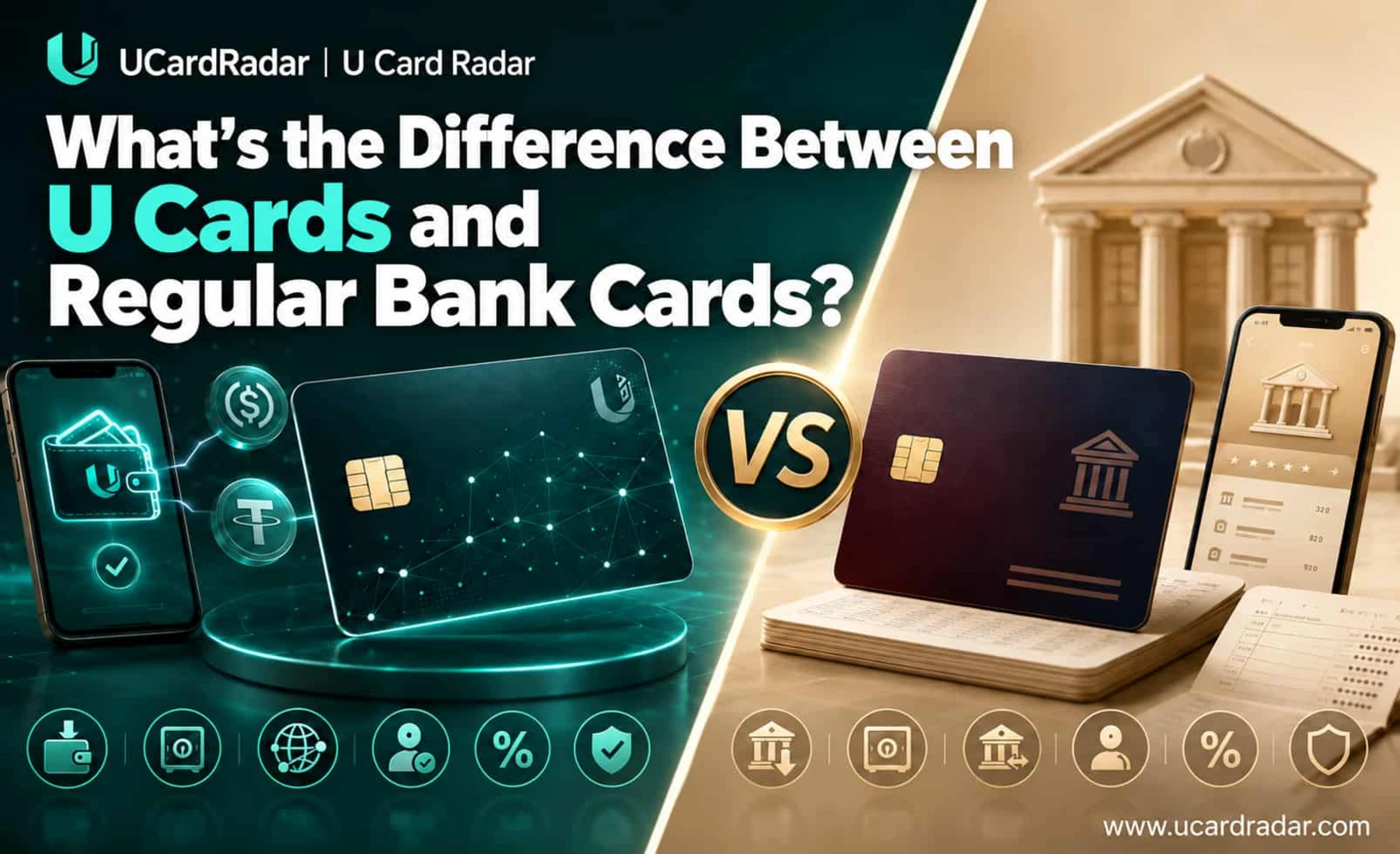
What Is the Difference Between a U Card and a Regular Bank Card?
U Cards and regular bank cards differ significantly in their sources of funds, account structures, fees, and risks. U Cards usually involve crypto deposits, conversion, and custody, while regular bank cards are directly linked to a bank account or credit line. This article compares the two in detail to help users understand the fundamental differences and make better-informed choices.
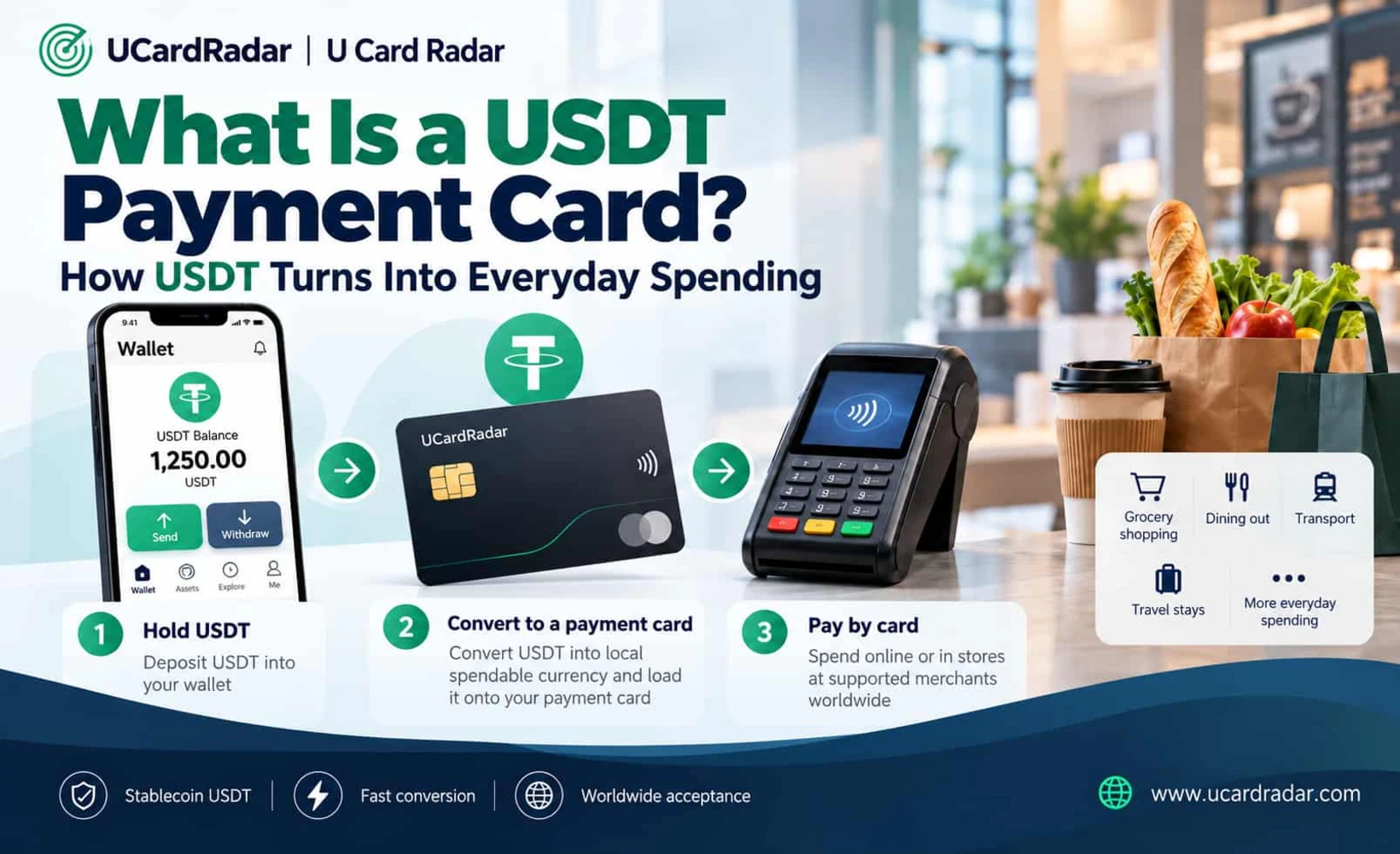
What Is a USDT Payment Card? How USDT Is Converted for Everyday Spending
USDT payment cards connect stablecoins to the Visa/Mastercard networks for everyday spending. This article explains how they work, their fees and risks, and the key factors to consider when choosing and using one safely.