
Topic guide
Crypto card payment issues
Troubleshoot failed payments, recurring charges, billing addresses, 3DS, refunds, and point-of-sale payments.
14 published articles
- Payment failures
- Recurring charges
- Billing addresses
- Refunds and disputes

Latest publication
Why Do Crypto Cards Show $0 or $1 Test Charges?
Linking a crypto card to a merchant, subscribing to a service, or starting a free trial may trigger a $0 or $1 test charge. This guide explains the differences between zero-amount authorizations, temporary authorization holds, and actual charges, how funds are released or refunded, and how to recognize suspicious transactions and potential card fraud.
More articles
Page 1 of 2 · 14 articles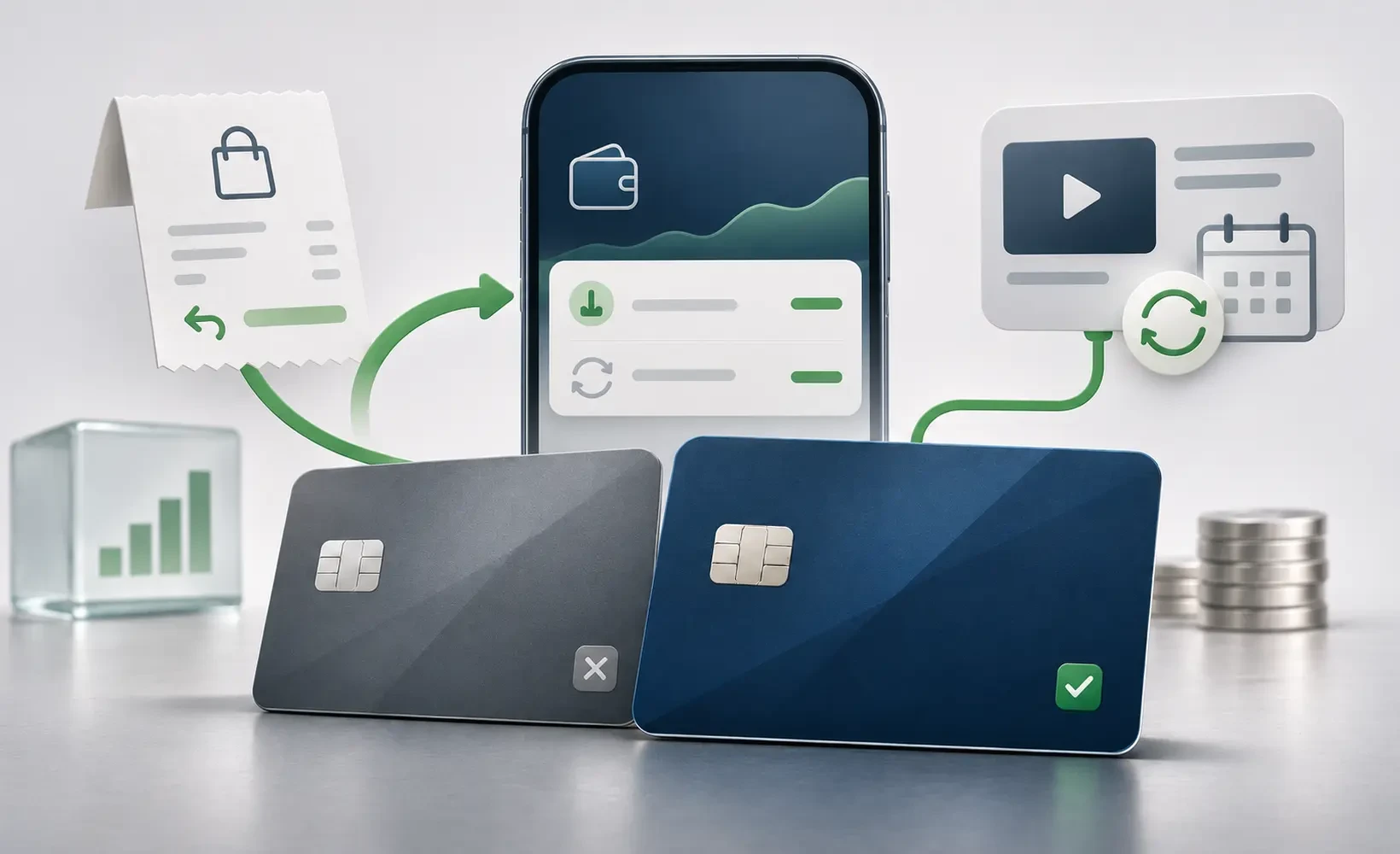
What Happens to Refunds and Subscriptions When a Crypto Payment Card Expires or Is Replaced?
Can purchases made with an expired, lost, or replaced crypto payment card still be refunded? Will subscriptions such as ChatGPT and Netflix stop automatically? This article examines how refunds on past transactions are processed, how recurring payments continue, and what happens to balances, refunds, and disputed transactions when an issuer changes or a card program ends. It also explains how to trace missing refunds and manage essential subscriptions.
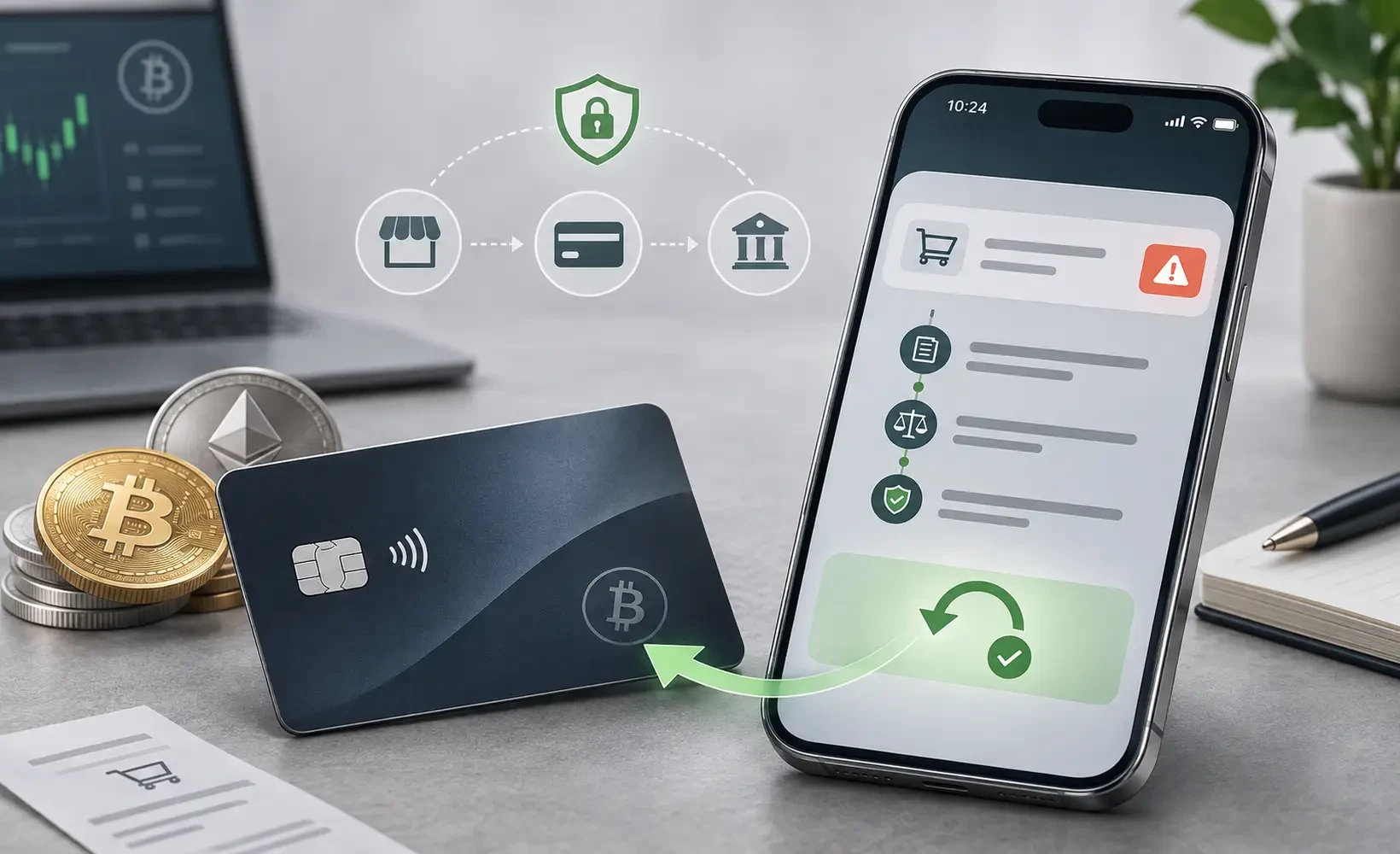
Crypto Card Refunds and Payment Disputes: Chargebacks, Fraud, and Fund Recovery
What can you do if your crypto card is used fraudulently, charged twice, or debited for an order that never arrives—or if a refund is delayed? This guide explains the differences between refunds, authorization reversals, and chargebacks, including Visa and Mastercard dispute eligibility, evidence requirements, filing procedures, and deadlines. It also examines the limits of protection for on-chain transfers and funds held in platform accounts.
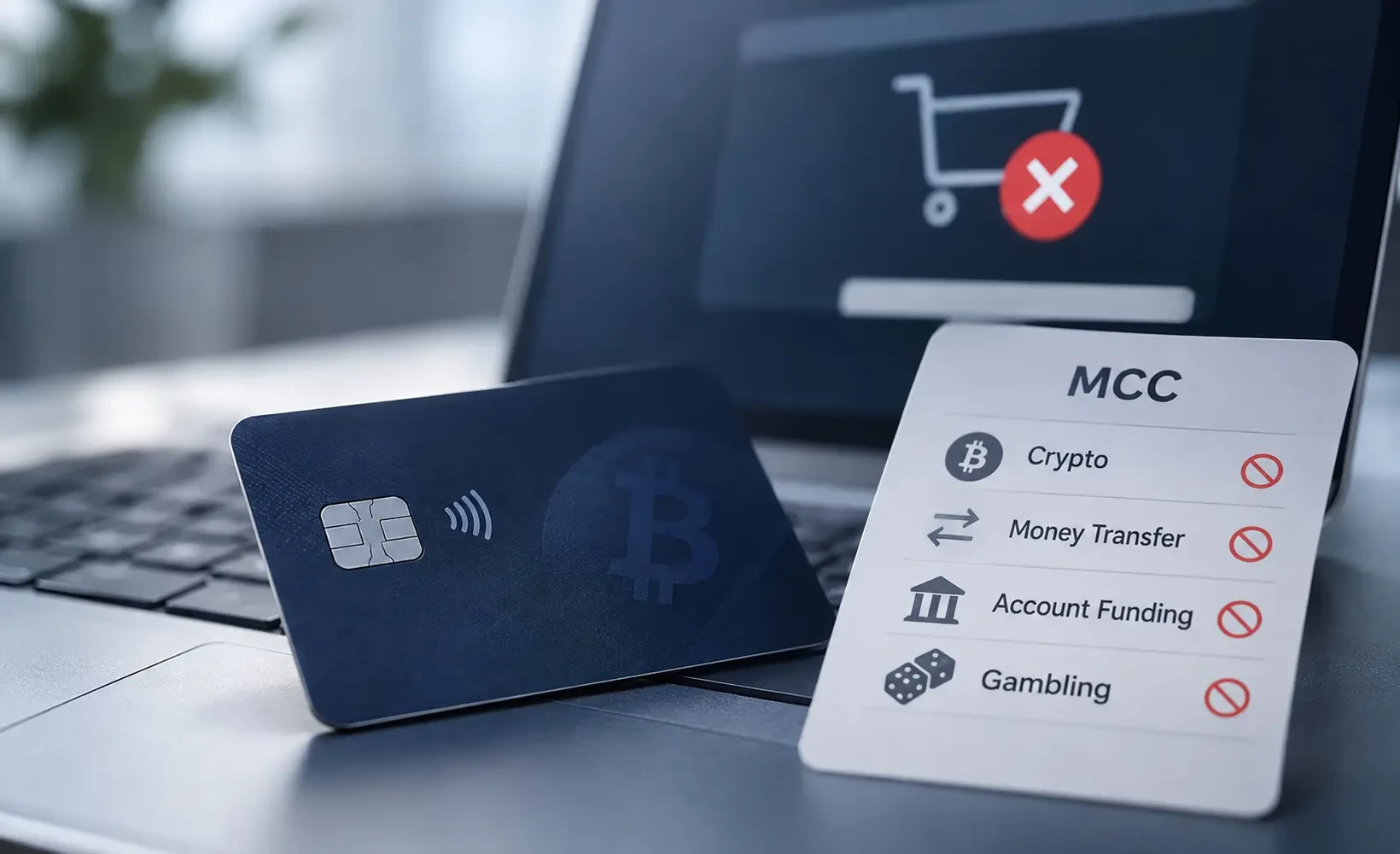
Why Are Crypto Cards Declined at Certain Merchants? MCC Restrictions and Payment Declines Explained
Why do crypto cards work at ordinary retailers but fail at certain financial platforms or specialized merchants? This article explains how Merchant Category Code (MCC) restrictions affect card authorization, examines commonly restricted transaction categories, and uses official Crypto.com and Coinbase policies to explain why payments are declined, how to investigate them, and what options are available.
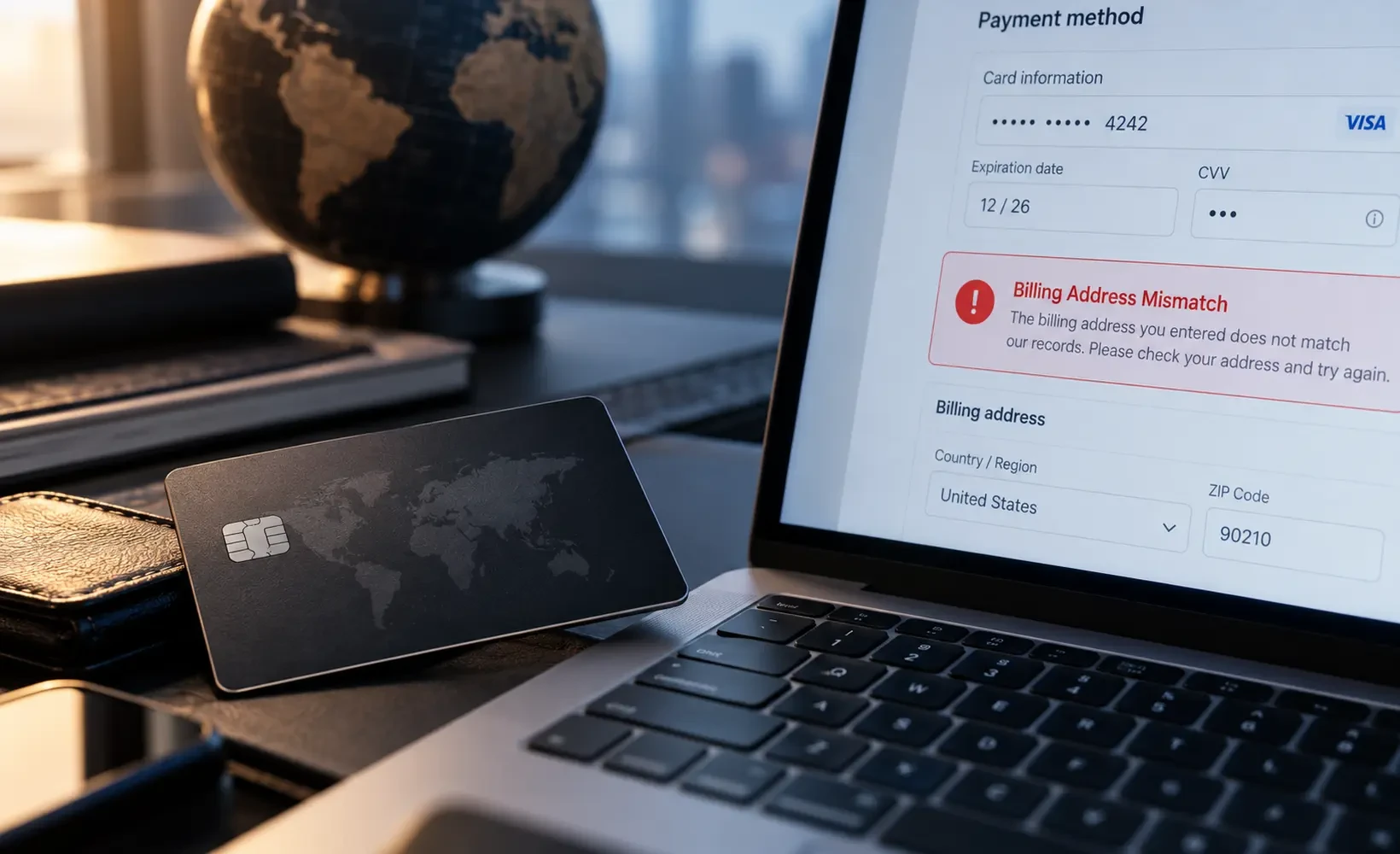
Crypto Card Billing Address Mismatch: How AVS Works and How to Troubleshoot Failed Payments
Getting a Billing Address Mismatch or AVS verification error when using a crypto payment card? This guide explains how address verification works, common reasons for failed payments, and how to troubleshoot them. It also clarifies the differences between AVS, 3D Secure, and CVV checks.
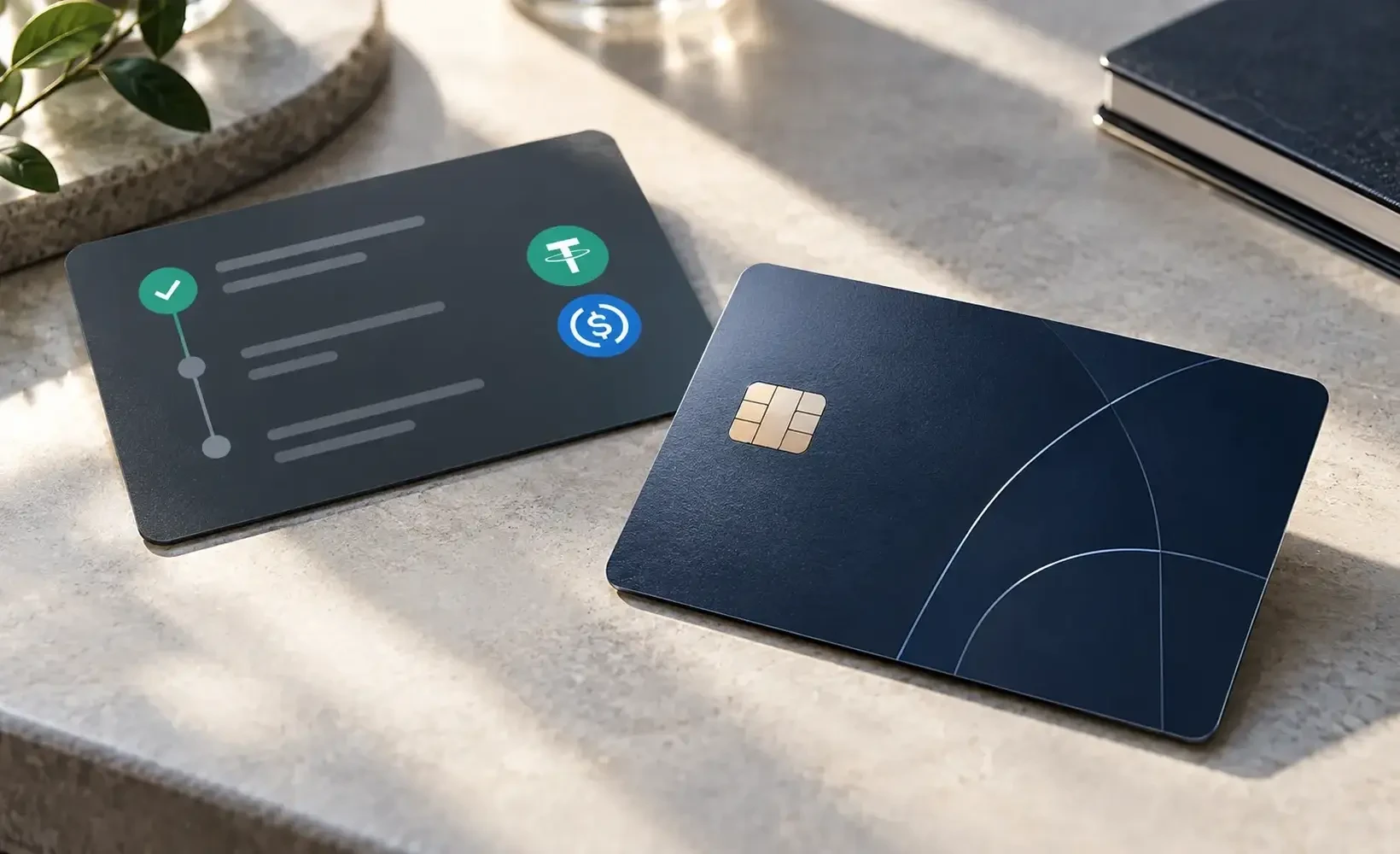
USDT or USDC Confirmed On-Chain: Why Hasn't Your Crypto Card Balance Increased?
USDT or USDC has been confirmed on-chain, but your crypto card balance hasn't increased. This article examines transaction hashes, deposit networks, token contracts, and minimum deposit requirements to explain platform crediting delays, account balance discrepancies, and spending authorization issues, with examples from Crypto.com, Bybit Card, and other products.

How Long Do Crypto Card Refunds Take? Why Refunds Go Missing and What to Do
Crypto card refunds typically take several business days, but some transactions take longer. This guide explains the card refund process, expected timelines, the difference between authorization reversals and refunds, common causes of delays and failed refunds, and how to trace missing funds using transaction records, ARN references, and dispute procedures.
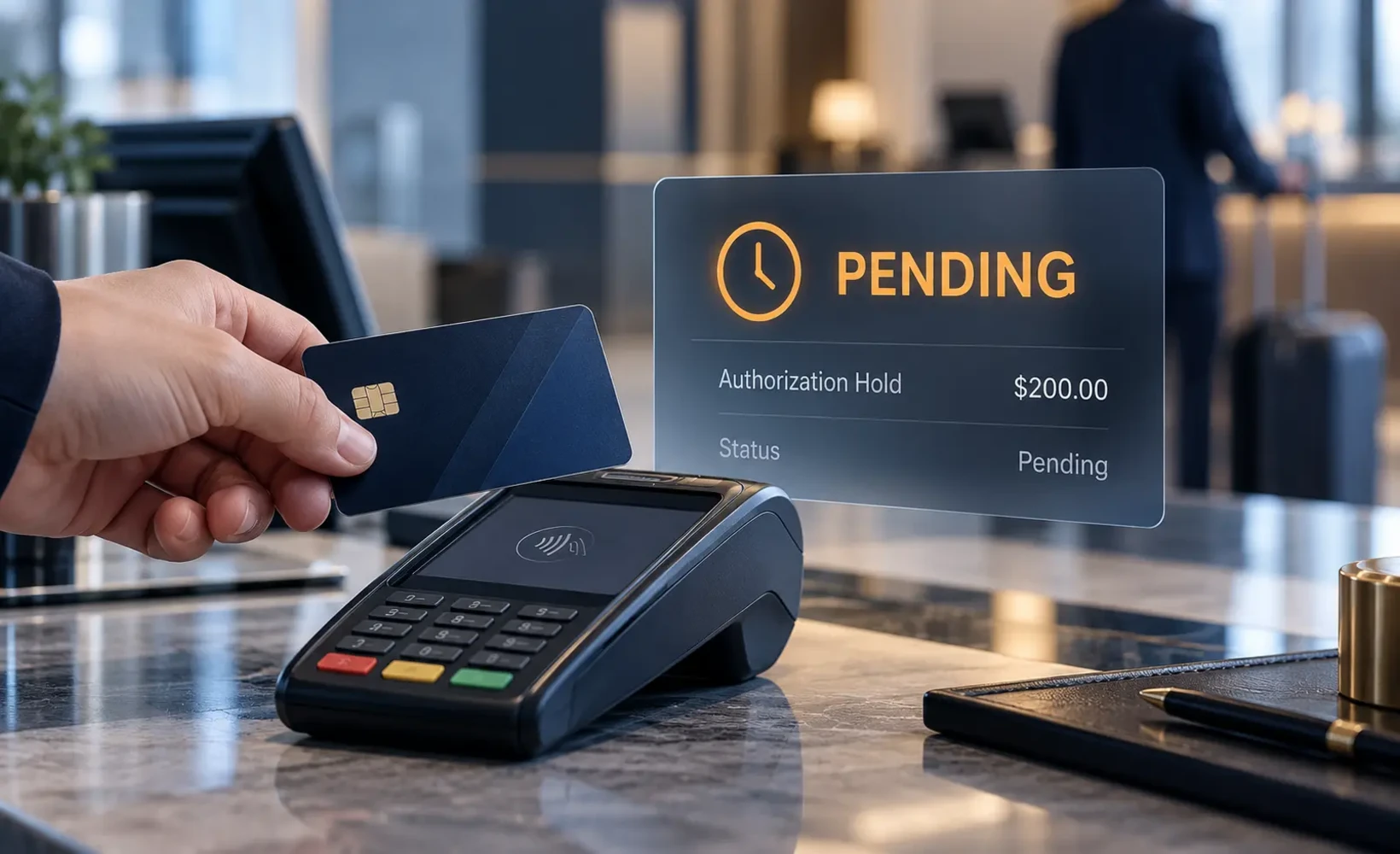
Why Does a Crypto Card Transaction Stay Pending? Authorization Holds, Settlement, and How to Resolve It
Does a crypto card transaction stuck on Pending mean the payment failed or that funds are being held? This article explains how card authorization holds, merchant capture, and final settlement work, why Pending transactions can take time to clear, how excess preauthorization amounts are released in situations such as hotel stays, and what to do when a transaction remains unresolved.
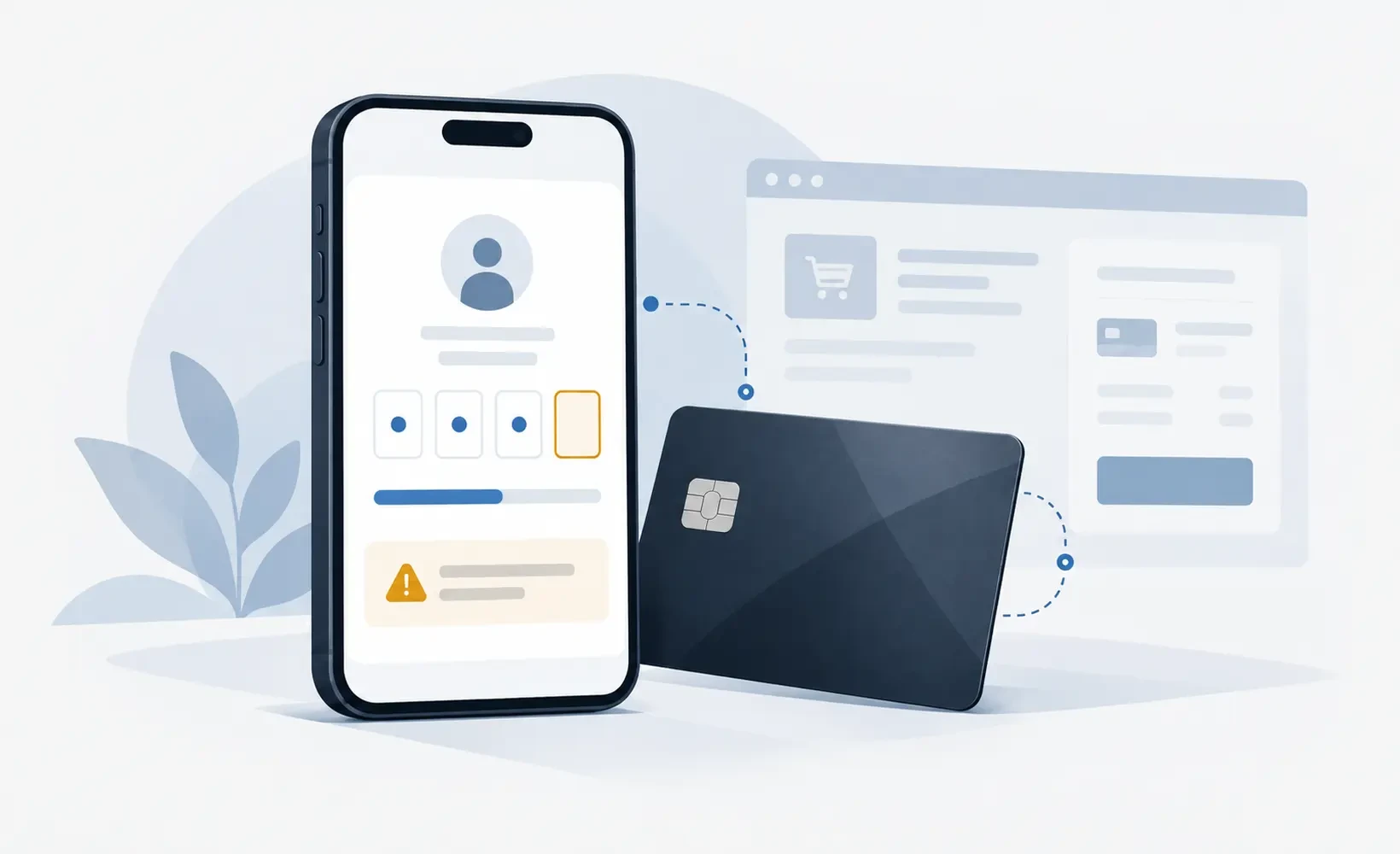
Crypto Card 3D Secure Authentication Failed? Common Causes and Troubleshooting
3D Secure authentication failures on crypto payment cards can involve OTP delivery, authentication pages, merchant payment integrations, or issuer authentication services. This article explains common errors, how to troubleshoot them, how to distinguish authentication failures from payment authorization declines, and when to contact the merchant or card issuer.
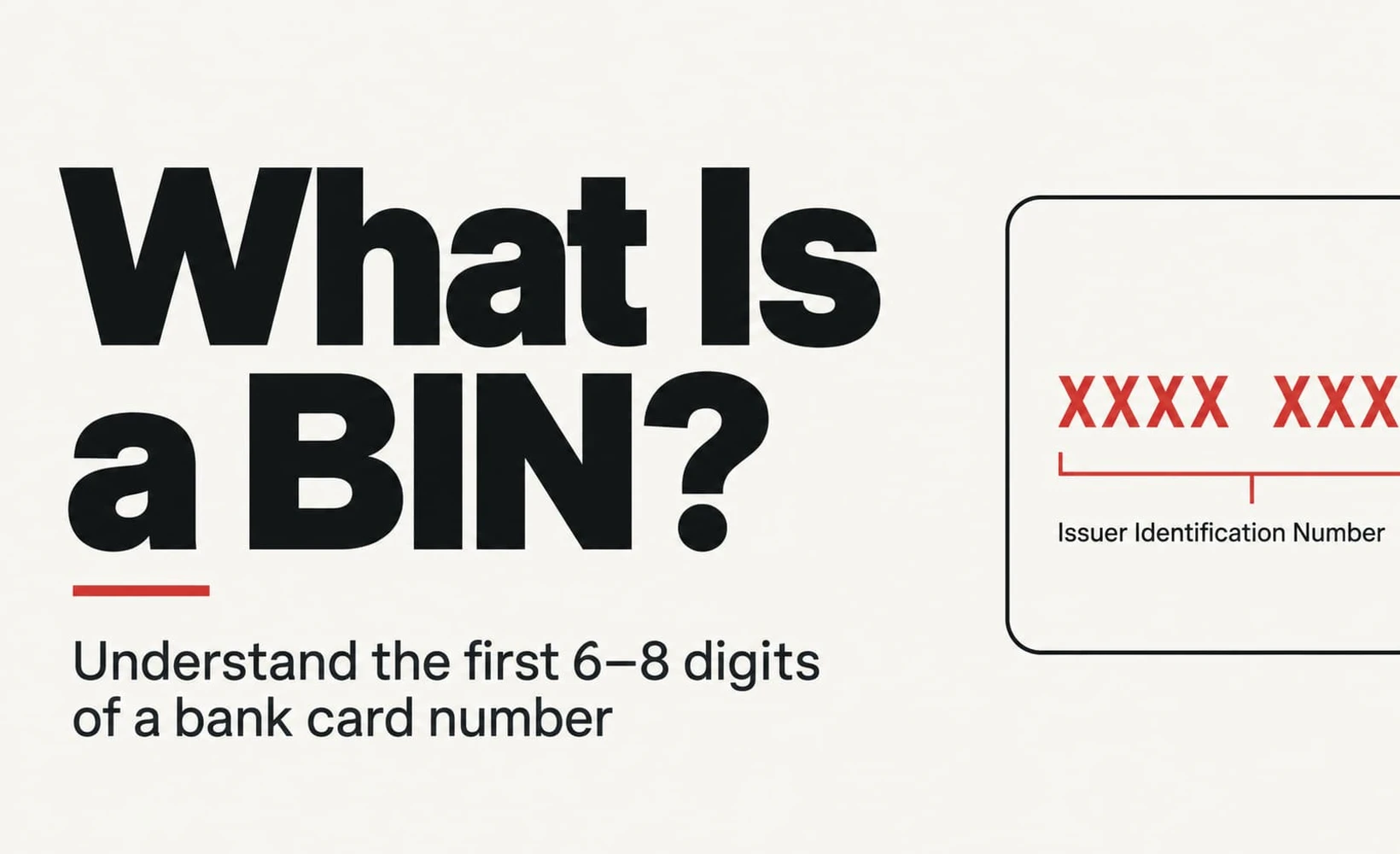
What Is a BIN?
A BIN is an issuer identification number used to identify the bank, card network, and card tier associated with a payment card. This article explains the six-digit BIN structure, the MII industry identifier, the ISO allocation mechanism, the history of UnionPay's 62-standard cards, and the issue of U Cards using credit or corporate-card BINs to bypass KYC.
Why Did My U Card Payment Fail? A Complete Troubleshooting Guide
U Card payment failures can happen for many reasons, including insufficient balance, card permission settings, 3DS verification, and merchant restrictions. This article provides a complete troubleshooting guide to help users identify the issue step by step and solve it.
Why Does a Card With Remaining Balance Still Fail to Pay?
A U-card account can have funds and still fail at payment. The reason may lie not in the balance itself, but in available balance, pre-authorization, limits, permissions, billing address, merchant restrictions, and other parts of the payment chain. This article walks through the payment flow step by step and provides practical fixes.