
UCard Radar research library
Research & intelligence
Risk analysis, card comparisons, regional topics, industry reports, and data-transparency coverage.
Recommended
View all ›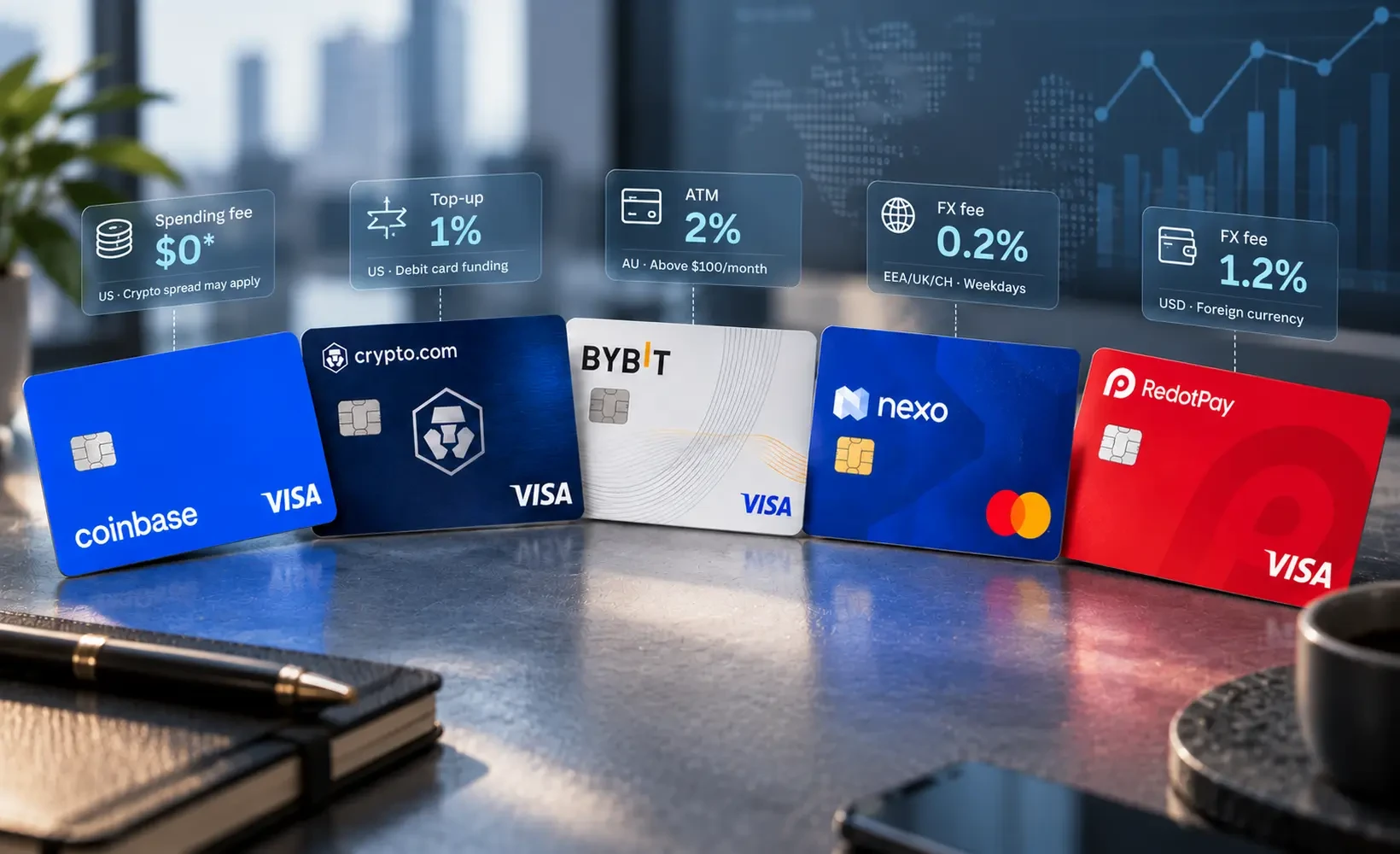
Crypto Card Fees in 2026: Top-Up and FX Costs Across Five Providers and Ten Card Plans
UCard Radar compares ten card plan–region combinations from Coinbase, Crypto.com, Bybit, Nexo, and RedotPay, covering foreign transaction fees, crypto conversion, top-ups, ATM withdrawals, and cardholder costs. It also examines the differences between exchange rate spreads, FX padding, and dynamic currency conversion (DCC).
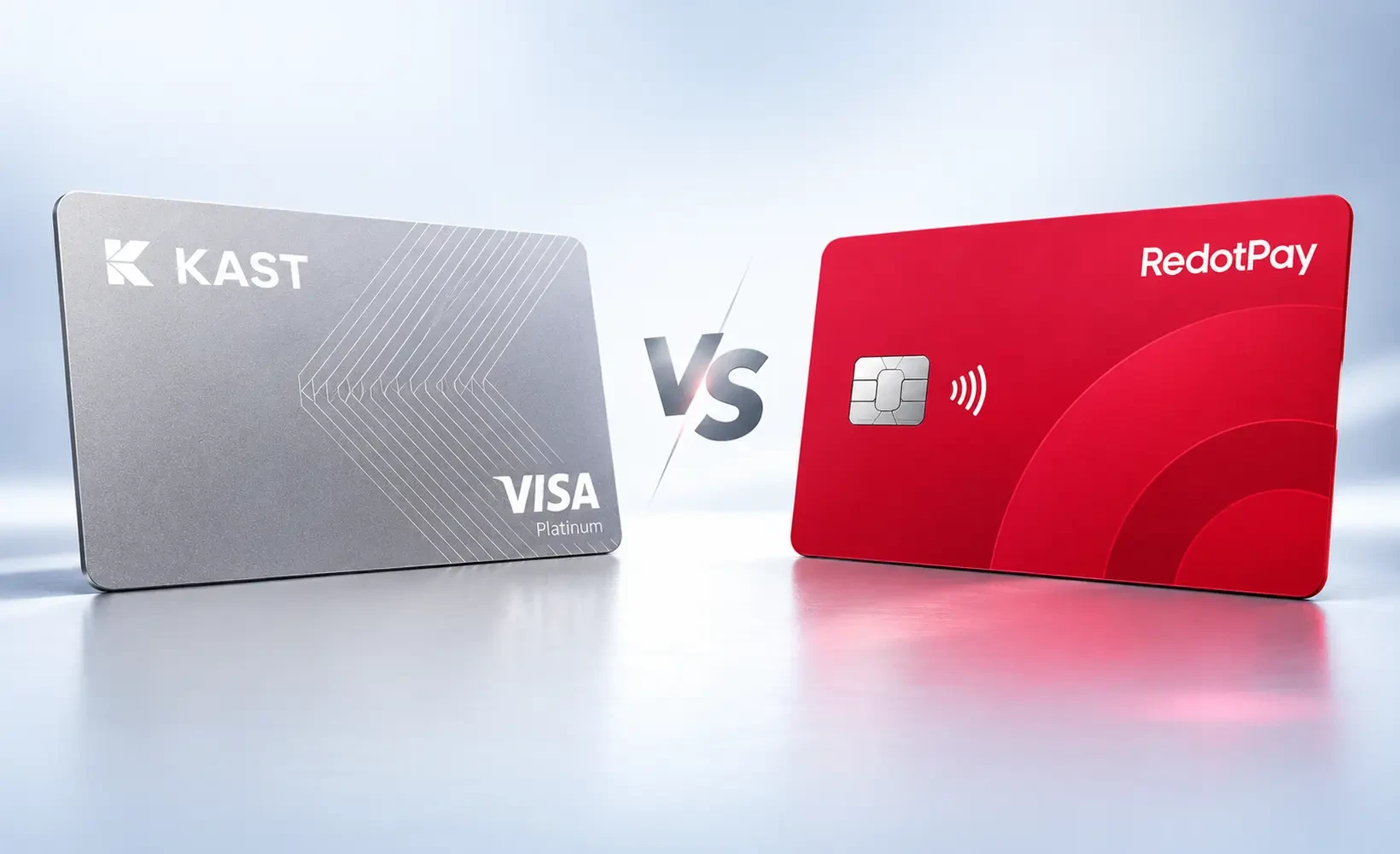
KAST vs. RedotPay: Fees, Availability, Payment Features, and How Funds Are Managed
How do KAST and RedotPay differ in fund management, card issuance fees, transaction costs, and eligibility by country? This comparison examines stablecoin deposits, conversion at checkout, cashback, Apple Pay, ATM withdrawals, and the risks of each model to help readers assess which card better fits their assets and spending habits.
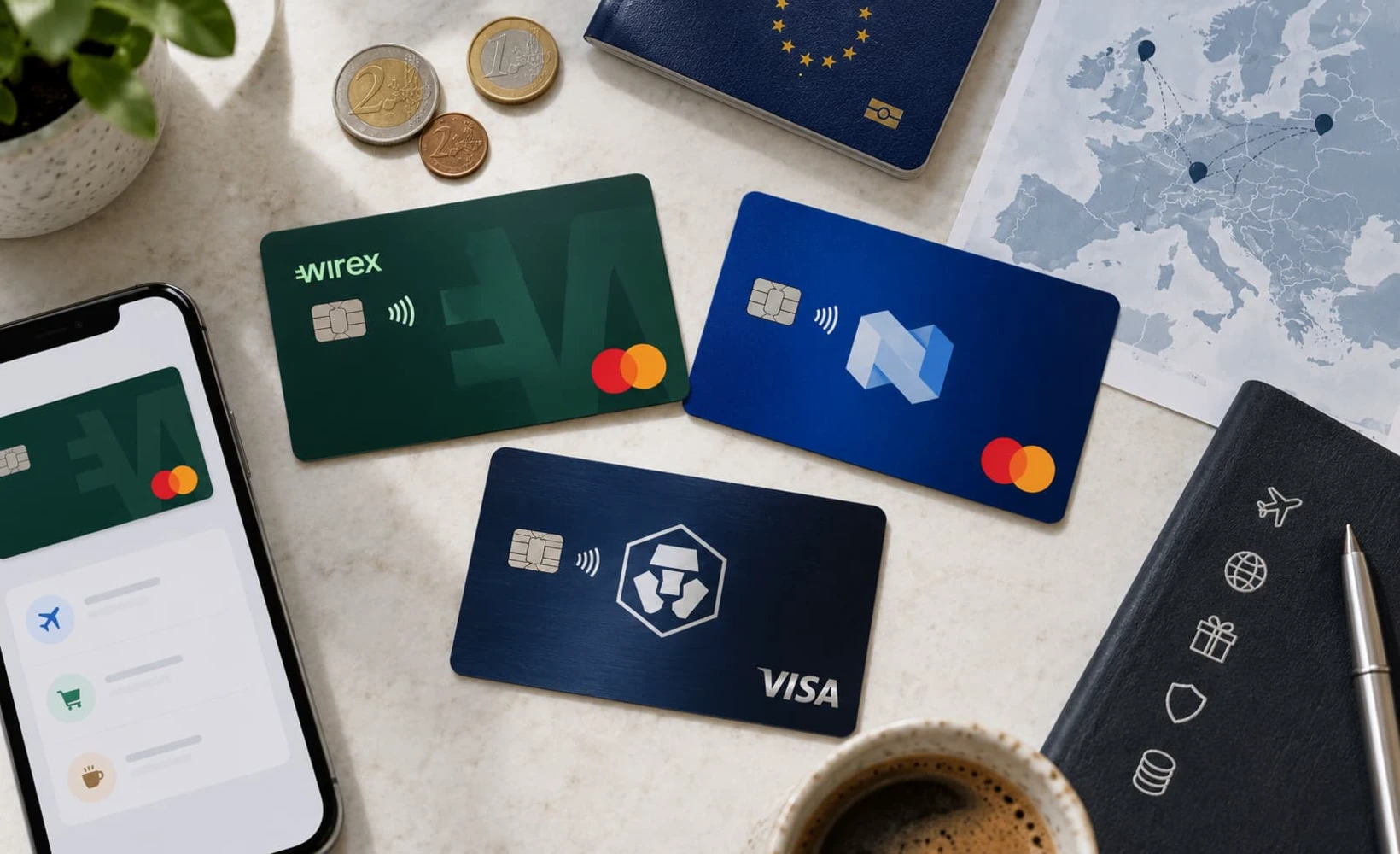
Wirex vs Nexo vs Crypto.com Card: What Differences Should European Users Focus On?
Wirex, Nexo Card, and Crypto.com Card are three of the best-known crypto payment cards in Europe, but they serve different purposes. Wirex is better suited to everyday multi-currency spending, Nexo is designed for spending against crypto-backed credit, and Crypto.com is more attractive to high-spending users who can make use of cashback and travel benefits. This article compares their funding models, fees, cashback, FX costs...
Latest updates
Crypto Card Fees in 2026: Top-Up and FX Costs Across Five Providers and Ten Card Plans
UCard Radar compares ten card plan–region combinations from Coinbase, Crypto.com, Bybit, Nexo, and RedotPay, covering foreign transaction fees, crypto conversion, top-ups, ATM withdrawals, and cardholder costs. It also examines the differences between exchange rate spreads, FX padding, and dynamic currency conversion (DCC).
KAST vs. RedotPay: Fees, Availability, Payment Features, and How Funds Are Managed
How do KAST and RedotPay differ in fund management, card issuance fees, transaction costs, and eligibility by country? This comparison examines stablecoin deposits, conversion at checkout, cashback, Apple Pay, ATM withdrawals, and the risks of each model to help readers assess which card better fits their assets and spending habits.
Wirex vs Nexo vs Crypto.com Card: What Differences Should European Users Focus On?
Wirex, Nexo Card, and Crypto.com Card are three of the best-known crypto payment cards in Europe, but they serve different purposes. Wirex is better suited to everyday multi-currency spending, Nexo is designed for spending against crypto-backed credit, and Crypto.com is more attractive to high-spending users who can make use of cashback and travel benefits. This article compares their funding models, fees, cashback, FX costs...
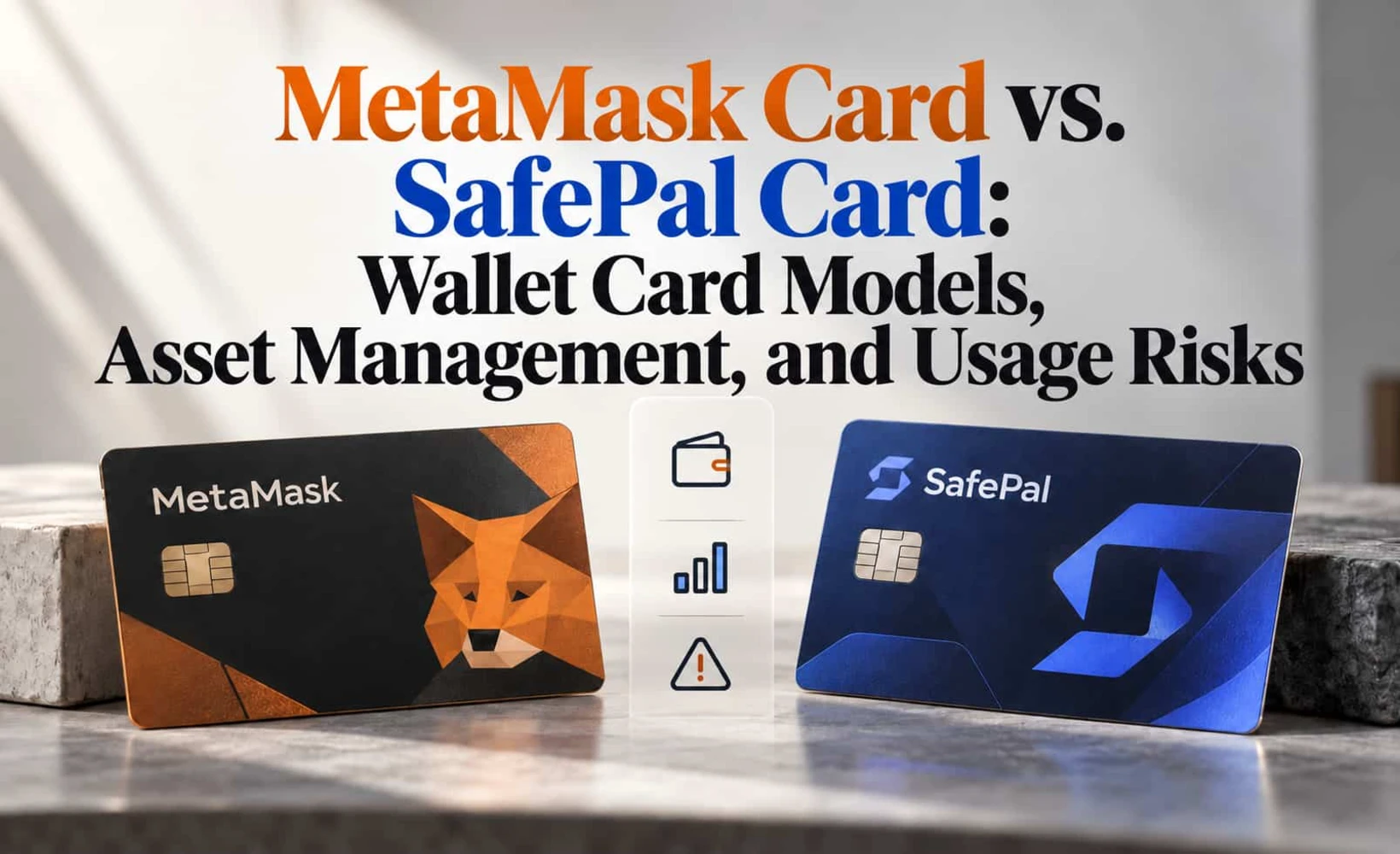
MetaMask Card vs SafePal Card: Wallet-Card Models, Asset Management, and Usage Risks
MetaMask Card pays from wallet assets authorized by the user, while the funds remain self-custodied; SafePal Card requires funds to be deposited into a Fiat24 bank account first and then deducted from the account balance. This article compares the two models in terms of custody, funding flow, fees, risks, and suitable use cases.
RedotPay vs Bybit Card: Fees, Regions, KYC, and Payment Compatibility
A comparison of RedotPay and Bybit Card across fees, regional availability, KYC, and payment compatibility. RedotPay offers broader coverage, while Bybit provides stronger cashback benefits. The better choice depends on your needs.
Bitget Wallet Card vs Gate Card: Application Requirements, Spending Fees, and Regional Restrictions
Bitget Wallet Card and Gate Card are both crypto payment cards, but they differ significantly in product model, application requirements, fees, and regional restrictions. Bitget supports applications from mainland China, while Gate does not. In terms of fees, Bitget offers a fee-free allowance, while Gate charges a 0.9% conversion fee plus a 0.4% foreign exchange fee. Regional...